01
1. Why Proper Washing is Critical in Food Processing
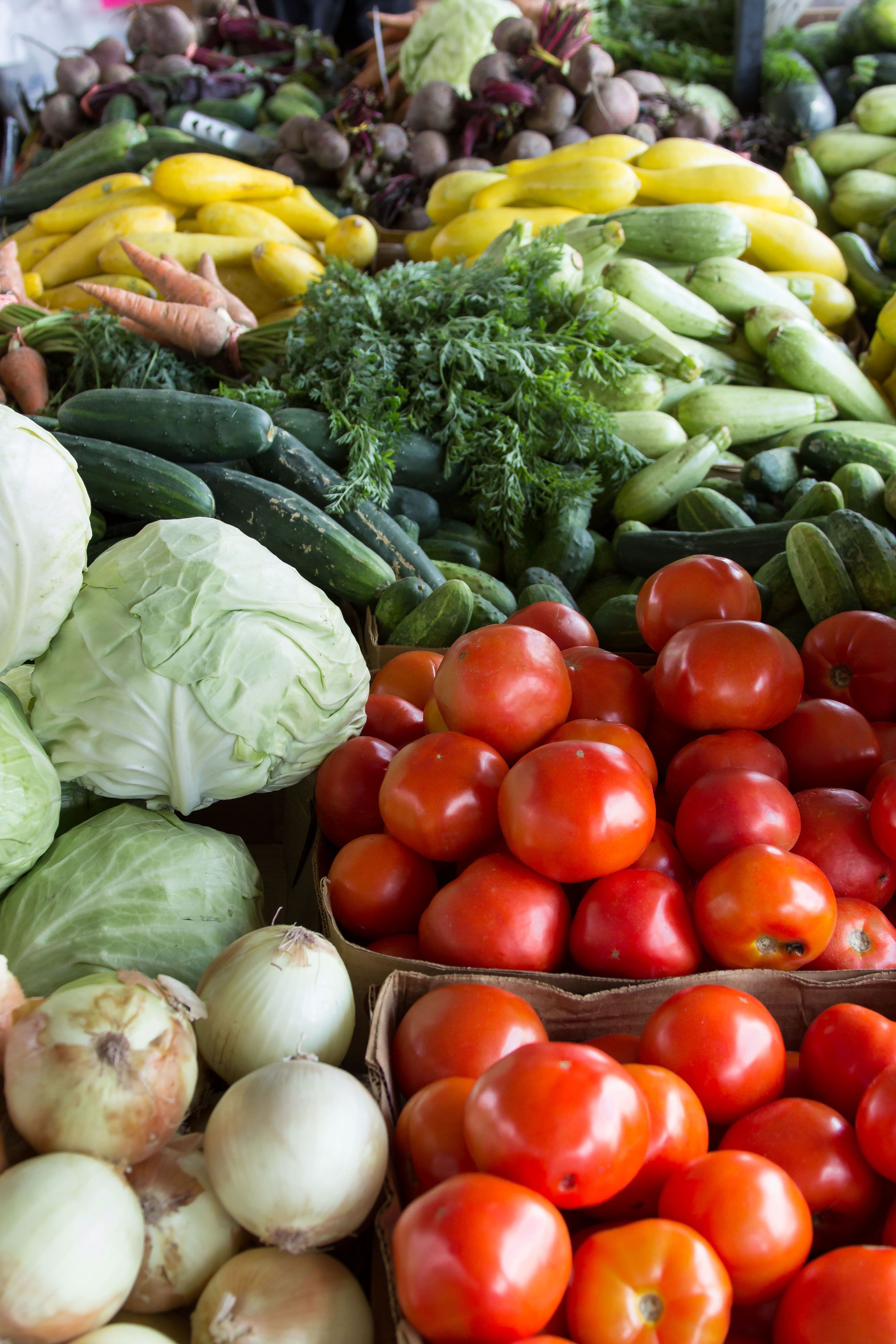
Cleaning fruits and vegetables is one of the most important steps in any food processing operation. Fresh produce often contains soil, pesticides, bacteria, and other contaminants that must be removed before cutting or packaging. Manual washing is slow and inconsistent, which is why modern food processing plants use automated systems. Many businesses rely on a fruit & vegetable washer machine to ensure hygienic cleaning while improving production efficiency.
02
2. What is a Fruit & Vegetable Washer Machine?
A fruit and vegetable washer machine is an industrial food processing machine designed to wash fresh produce using water circulation, spray jets, and air bubbling technology. These machines remove dirt, pesticide residues, and surface impurities from fruits and vegetables. They are widely used in vegetable processing plants, frozen food factories, packaged salad production lines, and commercial kitchens where large quantities of produce must be cleaned quickly.
03
3. Different Types of Vegetable Washing Machines
Food processing industries use several types of washing machines depending on the type of product being processed. Bubble washing machines use air bubbles to gently clean leafy vegetables such as spinach, coriander, and lettuce. Spray washing machines use high-pressure water jets to wash fruits like apples, tomatoes, and cucumbers. Another common solution used in processing plants is a batch washer machine, which allows controlled washing of vegetables in batches for better cleaning efficiency.
04
4. Production Capacity and Output
Fruit and vegetable washer machines are available in multiple production capacities. Small commercial machines can wash around 200 to 400 kilograms of produce per hour and are suitable for restaurants or catering businesses. Medium-sized industrial machines typically handle between 500 kg and 1500 kg per hour and are commonly used in vegetable processing units. Large automatic washing lines installed in food factories can process more than 2 tons of fruits and vegetables every hour.
05
5. Industries That Use Vegetable Washer Machines
Fruit and vegetable washing machines are widely used in many industries that process fresh produce. These include frozen vegetable manufacturing units, fruit pulp processing plants, ready-to-cook vegetable businesses, packaged salad manufacturers, and institutional kitchens. In large-scale operations, automated washing machines ensure consistent product quality while improving hygiene and operational efficiency.
06
6. Fruit & Vegetable Washer Machine Price in India
The cost of a fruit and vegetable washer machine depends on factors such as production capacity, machine design, and automation level. Small vegetable washing machines for commercial kitchens usually cost between ₹90,000 and ₹2.5 lakh. Medium-capacity machines used in processing units generally range from ₹2.5 lakh to ₹7 lakh. Large industrial washing systems with conveyor feeding and filtration systems can cost ₹10 lakh or more depending on customization and throughput requirements.
07
7. Features to Consider Before Buying
Before purchasing a vegetable washer machine, businesses should evaluate several important features. Food-grade stainless steel construction such as SS304 ensures hygiene and durability. Efficient water circulation systems help reduce water usage. Filtration systems allow reuse of water and minimize waste. Adjustable spray systems and bubble washing technology provide more effective cleaning depending on the type of produce being processed.
08
8. Benefits of Using an Automatic Washing Machine
Automatic fruit and vegetable washing machines offer several advantages for food businesses. They significantly reduce manual labor and increase washing speed. Automated washing systems provide consistent cleaning results which improves product quality and shelf life. These machines also help businesses comply with food safety standards by reducing contamination risks.
09
9. How to Choose the Right Machine Supplier
Choosing the right manufacturer is important to ensure machine reliability and long-term performance. Buyers should look for suppliers that provide stainless steel construction, installation support, spare parts availability, and after-sales service. A reliable supplier will also guide businesses in selecting the right machine capacity based on production requirements and available factory space.