Define what the quoted plant includes
A plant price is only meaningful when the included equipment and responsibilities are clear. One quotation may cover processing vessels alone; another may include preparation machines, pumps, pipework and filling. Prepare one requirement document and give it to every supplier so each quote answers the same production brief.
State the finished product, raw material, required output, batch size, packaging format and planned working hours. Ask suppliers to identify any assumptions they have made. A short machine list without these details leaves too much scope for misunderstanding.
Build a side-by-side scope comparison
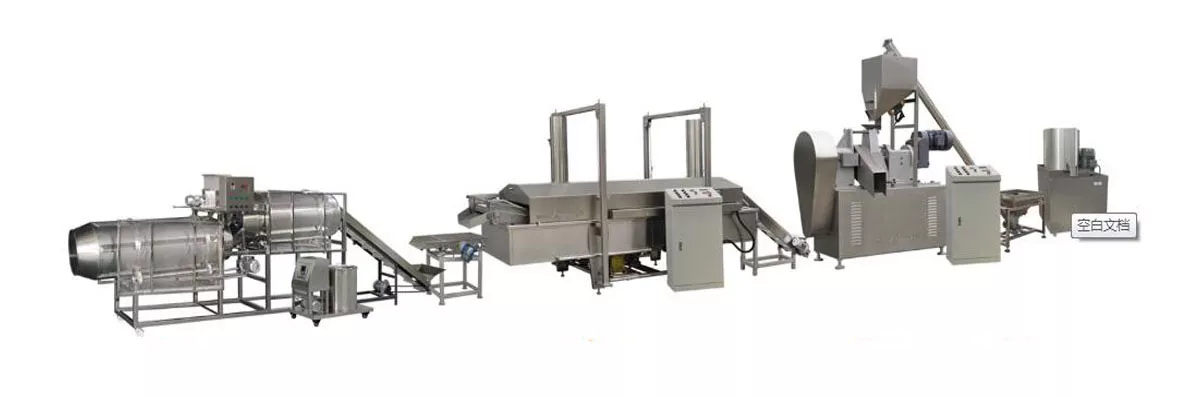
Create a comparison sheet with one row for every production stage. Include raw material receiving, washing, preparation, processing, transfer and packing. For each item, record quantity, working capacity, contact material, motor information, controls and included accessories.
- Is interconnecting pipework included or supplied by the buyer?
- Are pumps and transfer hoses part of the quotation?
- Which filling and closing formats are supported?
- Are platforms, operator access and product collection arrangements included?
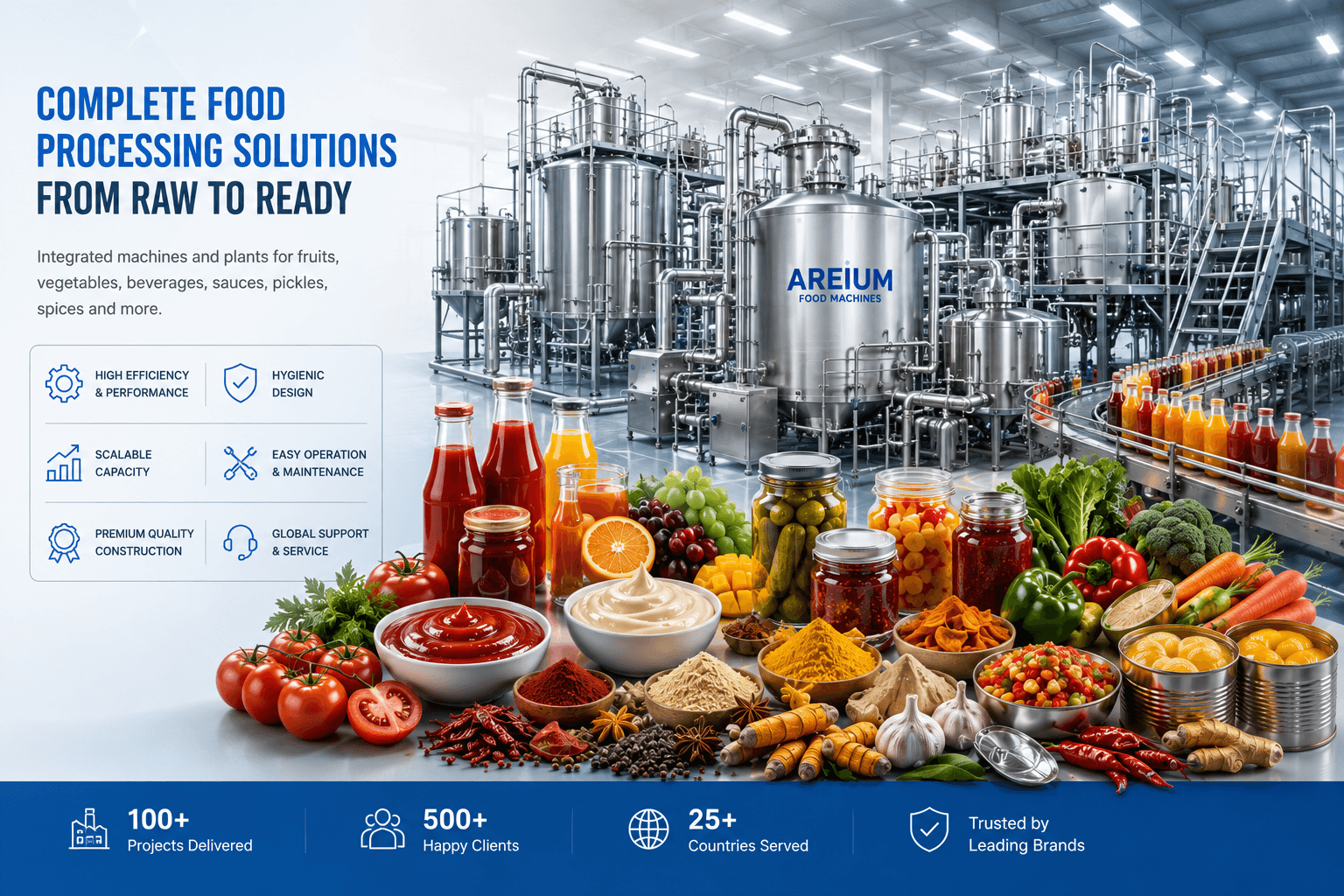
Review the proposed process against the relevant AREIUM processing plant page before comparing totals.
Separate equipment cost from site preparation
Ask for separate entries for equipment, packing, freight, unloading, installation and commissioning. Record tax treatment and payment milestones directly from the quotation. Site work may include drainage, foundations, electrical distribution, water storage or utility generation; confirm responsibility for each item in writing.
An electrical motor rating does not describe all utility needs. Request a utility schedule that states connected load, expected operating demand, water use and any heating, cooling or compressed-air requirements for the proposed configuration. Have your site team check those requirements against the available services.
Compare cost per usable production run
A purchase decision should include labour, cleaning time, spare parts, utility use and product loss. Ask how many people operate the line and whether they are also responsible for loading and packing. Compare production schedules using the same recipe and working hours.
Use the machine capacity sizing guide to distinguish raw input, batch size and saleable output. A larger nameplate capacity can be poor value if the line spends most of the shift waiting for ingredients or downstream packing.
Agree trials, handover and support
Write down the conditions for a factory trial: product supplied, sample quantity, target output and the measurements to record. Ask how deviations will be addressed. Confirm what commissioning means, who trains operators and which manuals, drawings and spare-parts lists will be handed over.
Request written warranty terms and clarify consumables, travel charges and remote support. For an export order, also agree destination, electrical compatibility, shipping responsibilities and the installation scope. Do not assume that the word turnkey includes every building or utility service.
Request an itemised quotation
For a tomato ketchup plant, specify whether production starts from fresh tomatoes or purchased pulp. For a mayonnaise plant, provide the proposed recipe family and pack formats. Different starting materials and products change the equipment scope.
Ask AREIUM for a project quotation with your production brief, location and layout. Use the final equipment list and responsibility schedule as the basis for comparison, rather than an unsupported universal price per plant.