01
1. Tomatoes: The Heart of the Process
The journey starts with sorting and washing tons of ripe tomatoes. Optical sorters now separate defective ones instantly, ensuring only the best fruit goes forward. This first step is crucial for maintaining ketchup’s signature taste and color.
02
2. Crushing and Pulping
High-capacity pulpers extract smooth tomato pulp without seeds or skin. Modern machines preserve lycopene—the antioxidant that gives ketchup its rich red hue—while maximizing yield from every kilogram of tomatoes.
03
3. Cooking the Perfect Blend
Pulp enters steam-jacketed kettles, where sugar, vinegar, and spices are added. Automation controls temperature and mixing speed, achieving that consistent ketchup texture we all recognize. Plants also reduce cooking times, saving energy.
04
4. Bottling and Safety Checks
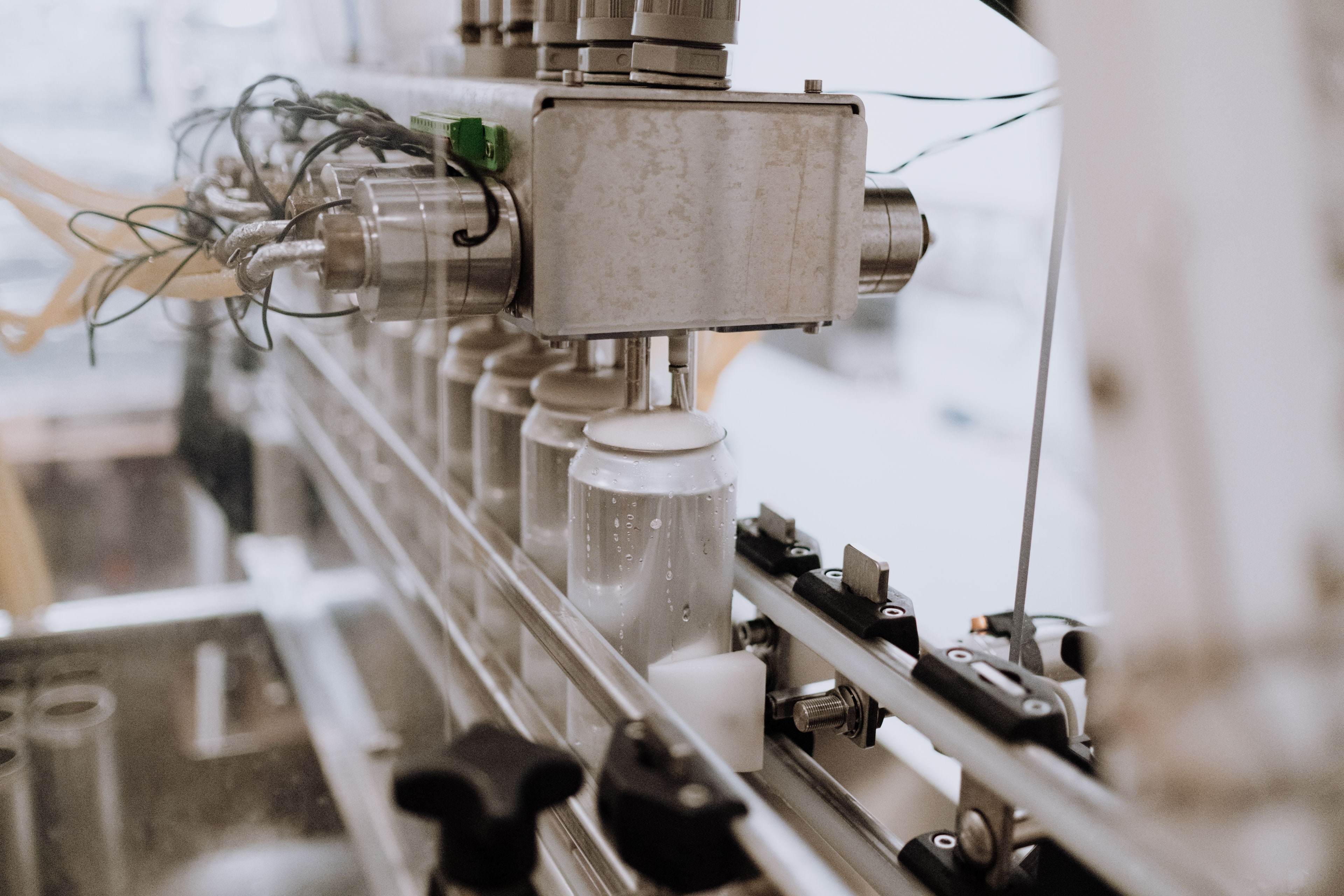
Sterilized glass and PET bottles run through filling lines at breathtaking speeds. Each bottle is capped, labeled, and passed through metal detectors and vision systems to ensure consumer safety before leaving the plant.
05
5. The Push Toward Natural
With growing demand for clean labels, ketchup plants are experimenting with organic tomatoes and natural sweeteners. The trend is clear: less processed sugar, more authenticity. Consumers want ketchup that tastes homemade—made in high-tech plants.